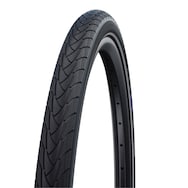
Schwalbe · MARATHON PLUS Clincher Tyre
- från277,80 kr
Schwalbe · MARATHON PLUS Clincher Tyre
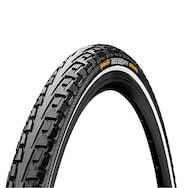
Continental · Ride Tour Reflex Tyre
2 Colors
Schwalbe · Marathon E-Plus Performance E-Bike Clincher Tyre
Schwalbe · Marathon Performance Clincher Tyre
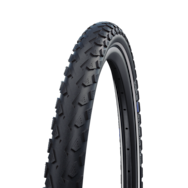
Schwalbe · Land Cruiser Plus Clincher Tyre
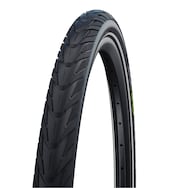
Schwalbe · ENERGIZER PLUS Performance Line E-bike Clincher Tyre
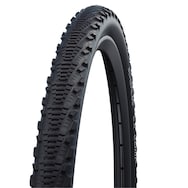
Schwalbe · CX COMP Active Line Clincher Tyre
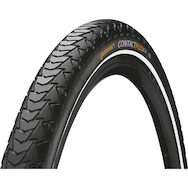
Continental · Contact Plus reflective tyre
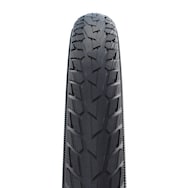
Schwalbe · Road Cruiser Plus Hybrid Clincher Tyre PunctureGuard
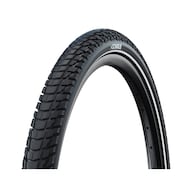
Schwalbe · MARATHON PLUS TOUR Trekking / E-bike Tyre
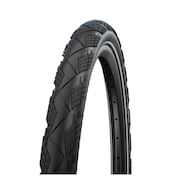
Schwalbe · MARATHON EFFICIENCY Evolution Line Touring Folding Tyre
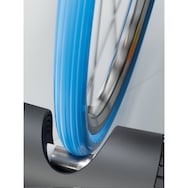
Garmin · Tacx® Turbo Trainer Tyre
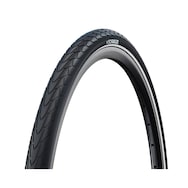
Schwalbe · MARATHON RACER Clincher Tyre
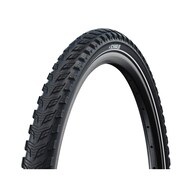
Schwalbe · MARATHON 365 All-Season Tyre
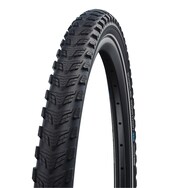
Schwalbe · MARATHON 365 Performance All-Weather Tyre E-50
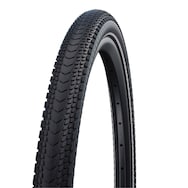
Schwalbe · MARATHON ALMOTION Evolution Line Folding Tyre
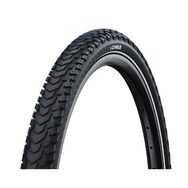
Schwalbe · MARATHON MONDIAL Performance RaceGuard Touring Clincher Tyre
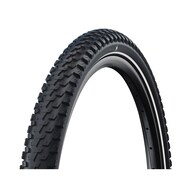
Schwalbe · MARATHON PLUS MTB Clincher Tyre
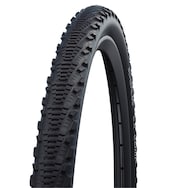
Schwalbe · CX COMP Reflex Active Line Clincher Tyre
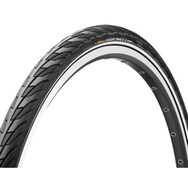
Continental · Contact Reflex Clincher Tyre
Trekking bikes are often used to cover longer distances with baggage, possibly on some field and forest tracks, too. You need special tyres for it. Trekking bike tyres are suitable for light terrain, like gravel roads and forest tracks. They are thicker than race bike tyres, but clearly thinner than the tyres of a mountain bike. This provides them with a low rolling-resistance.
Even if the bike is not moved, a bike tyre ages over time. Depending on the temperature and weather conditions, plasticisers volatilise and the tyre rubber hardens or becomes brittle. If stored properly, quality tyres can still be ridden after five years without any safety risk. However, if your hybrid tyres are significantly older or regularly exposed to the weather and temperature fluctuations, their durability will be reduced and you should regularly check the material and grip of the tyres.
Depending on the mileage, you should check the tyre pressure at regular intervals, but at least once a month. Even if the bike is not moved at all, the tyre will lose some air over time. With moderately ridden hybrid bikes, you can sometimes ride with slightly lower tyre pressure. However, be aware that this increases the rolling resistance and causes the tyre to age prematurely – the latter even if your bike stands in the cellar for a long time.
On the sidewall of the tyre you will find information on the air pressure approved by the manufacture in bar/PSI, as well as the size of the tyre, usually in different measurement systems. Don't get confused by all the numbers. For example, a hybrid tyre with the dimensions:
is one and the same tyre – an approx. 40 mm wide tyre in the 28 inch wheel size.
The air pressure specifications are from/to specifications that you should never exceed. However, you can experiment carefully with slightly less air pressure to achieve better damping. The risk of possible rim damage (punctures) or premature ageing of the tyre (cracks in the sidewall) is of course your own responsibility.
There are several system-related reasons for the different levels of wear – which indeed applies to all bike tyres:
It is therefore quite normal for the rear tyre to wear out more quickly. Road and hybrid tyres often get an angular appearance then. In this case, you should replace the tyre and not make the mistake of swapping the front and rear tyres.
If you frequently ride off-road, the tread of the tyre becomes more important. If the tread pattern becomes worn, it is time for a tyre change. On the road and in dry conditions, you can ride the tyre much further down, theoretically even until the puncture protection belt or the fabric (casing) becomes visible. As a rule, however, you will notice signs of ageing in hybrid tyres in the form of cracks in the sidewall or frequent punctures that make it necessary to change the tyre.